Wednesday, February 07, 2007
Ministers dont believe in health strategy
The minister in charge of maternity services was accused of hypocrisy after he failed to turn up to the launch of a Government report proposing a major shake-up of maternity care. Ivan Lewis, who has campaigned against cuts in maternity services in his Bury constituency, did not attend the launch of the report by Sheila Shribman, the children and maternity tsar. His absence prompted the Tories to taunt Labour by claiming: "Labour ministers don't believe it."" - Independent

Thursday, January 25, 2007
Gordon Brown Voted in top 100 sexiest men

New Women's poll voted him 97 th.
Ahead of him was Worsel Gummage, Sponge Bob Square Pants and Frank Dobson
But seriously this must be a joke! Another New Labour spin attempt to make him seem trendy. Get him a baseball cap and hoody please
GPs condemn Government
Nearly 75% of GPs say the Government is doing a poor or very poor job according to GP Magazines European Barometer.
Patricia Hewitt is considered to be doing a good or very good job by only 13% of GPs
Asked which Party GPs felt closest to
44% Conservative
22% Lib-Dem
17% Labour
Patricia Hewitt is considered to be doing a good or very good job by only 13% of GPs
Asked which Party GPs felt closest to
44% Conservative
22% Lib-Dem
17% Labour
Thursday, January 11, 2007
Saving the NHS

By Dr Paul Charlson
Is a GP in East Yorkshire and member of Doctors for Reform.
He was previously a member of East Yorkshire PCT executive committee.
My local Primary Care Trust (PCT) and Hospital Trust are millions of pounds
in debt, a situation that is repeated around the country. Yet the Government has said that the books must balance this year. This can only be achieved by cutting services and jobs, a process that is already underway. After several years of unprecedented spending the NHS is about to hit the buffers. It is reminiscent of the stop-go economy of the seventies. The NHS needs real reform if it is going to deliver what we all want -a safe reliable patient centred service.
In 1999 our health authority split into 4 PCGs which later became 4 PCTs and recently merged into 2 PCTs. Each re-organisation was accompanied by new strategies and management structures with recruitment and redeployment of staff. Many managers simply moved organisations or changed job titles. To avoid redundancy some managers were placed in roles that they are unsuitable for. Meanwhile the Government attempted reform by producing endless unclear and contradictory guidance. This created a management culture fearful of decision making with an innovation phobia.
The problem is that the Government has interfered too much and needed to concentrate on strategic vision allowing local managers flexibility to implement it. Local flexibility is the only way reform will be effectively achieved.
The Government recognised that without the co-operation of medical staff any reforms would fail. Sir Gerry Robinson’s television series about Rotherham General Hospital is to be shown this week. One of his findings was that management did not listen closely to the staff. It is obvious that the people working at the coalface will know what is going wrong and might know how to fix it. Rotherham is not alone. PCTs have consistently failed to listen effectively to clinicians who have increasingly become disengaged with them. My colleagues who served with me on our Professional Executive say it was frustrating and a waste of time. Our local PCT managers are generally good motivated people yet over the years they have listened less, as the organisation has become debt ridden and centrally controlled.
The first thing the NHS must do is put clinicians back at the centre of decision-making processes. This should not just be at the level of local Primary Care Trusts but in the Strategic Health Authorities and the Department of Health.
The NHS financial problems are also reducing innovation. We set up an innovative scheme for Dermatology, involving patients being seen in the community by specially trained GPs and Consultants. This has been a real success with high levels of patient satisfaction and it has been designated a DoH pilot site. Yet despite “ticking all the Government boxes” and support of the PCT we are down to bickering over a few hundred quid. The situation is that bad!
In the same service we planned to employ a part-time dermatology nurse two years ago.. Despite many meetings the nurse is still not in post . In my Practice, we decided to employ a new nurse practitioner and she was in post within eight weeks.
Without innovation you cannot have reform. Without reform the NHS will fail to achieve its potential.
Our practice trains medical students and they are fearful of unemployment. It is estimated that 9000 Doctors are unable to find training posts. When you think of the motivation and effort it takes to get a medical qualification not to mention £250000 it costs to train them, it is a scandal. The situation is even worse in nursing where about half of graduates have a job and in physiotherapy it is 20%.
The budget cuts have hit training posts hard meaning that newly qualified staff cannot get the further “on the job” training needed to become really effective parts of the workforce.
Furthermore staff are made redundant only to return to virtually the same post as agency staff at twice the cost
The NHS has failed to plan adequately producing an unbalanced and unaffordable workforce.
An urgent manpower review is required. We need to ensure training posts match the needs of a reformed NHS and an end to the contracting out of staff to agencies.
Apart from failing to control costs the Government has made some new very expensive commitments. One of these is Connecting for Health. This is the central computer system encompassing amongst other things a central medical record and the ability to book outpatient appointments from the GP surgery.
We started to use Choose and Book nine months ago.. The system is supposed to come up with appointments virtually instantaneously. The first time I used it, I looked like a real lemon staring at a blank screen for five minutes. The patient went away without an appointment and my secretary spent 30 minutes creating an appointment for her. This was repeated many times by our practice before we gave up. Even the National “hit squad” has failed to sort the problem out.
Three things seem to have gone wrong with Connecting for Health. First the time scale for its introduction was hopelessly short. Second many good systems that were already operating around the UK have been dumped. Thirdly an IT system must assist its users to do their job better. Currently this is not happening.
Choose and Book should be suspended until it can made to work properly. Current systems should be supported until they can be integrated and there should be more consultation with clinicians in future developments.
The NHS has a golden opportunity to create a safe reliable service with enhanced local services and patients as valued customers but to do this it must change. The current fiscal belt tightening will wreck the Government’s vision of reform. The think tank Reform’s latest report suggests writing off the current debts rather than forcing organisations to make drastic cuts. The new start would involve much tighter financial rigor and planning but at a local level, this time with patients and clinicians driving the changes. This is surely what the Government wanted but has failed to achieve
Is a GP in East Yorkshire and member of Doctors for Reform.
He was previously a member of East Yorkshire PCT executive committee.
My local Primary Care Trust (PCT) and Hospital Trust are millions of pounds
in debt, a situation that is repeated around the country. Yet the Government has said that the books must balance this year. This can only be achieved by cutting services and jobs, a process that is already underway. After several years of unprecedented spending the NHS is about to hit the buffers. It is reminiscent of the stop-go economy of the seventies. The NHS needs real reform if it is going to deliver what we all want -a safe reliable patient centred service.
In 1999 our health authority split into 4 PCGs which later became 4 PCTs and recently merged into 2 PCTs. Each re-organisation was accompanied by new strategies and management structures with recruitment and redeployment of staff. Many managers simply moved organisations or changed job titles. To avoid redundancy some managers were placed in roles that they are unsuitable for. Meanwhile the Government attempted reform by producing endless unclear and contradictory guidance. This created a management culture fearful of decision making with an innovation phobia.
The problem is that the Government has interfered too much and needed to concentrate on strategic vision allowing local managers flexibility to implement it. Local flexibility is the only way reform will be effectively achieved.
The Government recognised that without the co-operation of medical staff any reforms would fail. Sir Gerry Robinson’s television series about Rotherham General Hospital is to be shown this week. One of his findings was that management did not listen closely to the staff. It is obvious that the people working at the coalface will know what is going wrong and might know how to fix it. Rotherham is not alone. PCTs have consistently failed to listen effectively to clinicians who have increasingly become disengaged with them. My colleagues who served with me on our Professional Executive say it was frustrating and a waste of time. Our local PCT managers are generally good motivated people yet over the years they have listened less, as the organisation has become debt ridden and centrally controlled.
The first thing the NHS must do is put clinicians back at the centre of decision-making processes. This should not just be at the level of local Primary Care Trusts but in the Strategic Health Authorities and the Department of Health.
The NHS financial problems are also reducing innovation. We set up an innovative scheme for Dermatology, involving patients being seen in the community by specially trained GPs and Consultants. This has been a real success with high levels of patient satisfaction and it has been designated a DoH pilot site. Yet despite “ticking all the Government boxes” and support of the PCT we are down to bickering over a few hundred quid. The situation is that bad!
In the same service we planned to employ a part-time dermatology nurse two years ago.. Despite many meetings the nurse is still not in post . In my Practice, we decided to employ a new nurse practitioner and she was in post within eight weeks.
Without innovation you cannot have reform. Without reform the NHS will fail to achieve its potential.
Our practice trains medical students and they are fearful of unemployment. It is estimated that 9000 Doctors are unable to find training posts. When you think of the motivation and effort it takes to get a medical qualification not to mention £250000 it costs to train them, it is a scandal. The situation is even worse in nursing where about half of graduates have a job and in physiotherapy it is 20%.
The budget cuts have hit training posts hard meaning that newly qualified staff cannot get the further “on the job” training needed to become really effective parts of the workforce.
Furthermore staff are made redundant only to return to virtually the same post as agency staff at twice the cost
The NHS has failed to plan adequately producing an unbalanced and unaffordable workforce.
An urgent manpower review is required. We need to ensure training posts match the needs of a reformed NHS and an end to the contracting out of staff to agencies.
Apart from failing to control costs the Government has made some new very expensive commitments. One of these is Connecting for Health. This is the central computer system encompassing amongst other things a central medical record and the ability to book outpatient appointments from the GP surgery.
We started to use Choose and Book nine months ago.. The system is supposed to come up with appointments virtually instantaneously. The first time I used it, I looked like a real lemon staring at a blank screen for five minutes. The patient went away without an appointment and my secretary spent 30 minutes creating an appointment for her. This was repeated many times by our practice before we gave up. Even the National “hit squad” has failed to sort the problem out.
Three things seem to have gone wrong with Connecting for Health. First the time scale for its introduction was hopelessly short. Second many good systems that were already operating around the UK have been dumped. Thirdly an IT system must assist its users to do their job better. Currently this is not happening.
Choose and Book should be suspended until it can made to work properly. Current systems should be supported until they can be integrated and there should be more consultation with clinicians in future developments.
The NHS has a golden opportunity to create a safe reliable service with enhanced local services and patients as valued customers but to do this it must change. The current fiscal belt tightening will wreck the Government’s vision of reform. The think tank Reform’s latest report suggests writing off the current debts rather than forcing organisations to make drastic cuts. The new start would involve much tighter financial rigor and planning but at a local level, this time with patients and clinicians driving the changes. This is surely what the Government wanted but has failed to achieve
Saturday, December 30, 2006
Just give it to GPs they have lots of time for routine check ups
The proposal has been recommended by David Colin-Thomé, the national clinical director for primary care, who has been charged with reviewing primary care services and whose report will be published in January. Dr Colin-Thomé says that most patients concerned about their recovery already see their GP within two weeks of surgery, rather than waiting six weeks to raise the problem with a consultant.
The inefficiency in the NHS's present arrangements, he claims, is compounded by the fact that 11.9% of patients fail to attend their routine check-up. A total of 4.2m appointments were wasted in 2005/6 at a cost of £378m. "The system needs a complete rethink," he told the Guardian. "We waste consultants' precious time and expertise if we force them to spend hours sitting in a room simply telling patients they're recovering fine ... It is like asking a Michelin-star chef to cook microwave meals all day.
"Patients don't need specialists to tell them they are fighting fit. Most will know this themselves, and those who want extra advice and reassurance would get this from their GP. We are finding that most patients who are concerned about their recovery actually contact their GP within two weeks anyway."
The Department of Health calculates the move should save £1.9bn. Government advisers hope that shifting the check-ups to more convenient locations would cut the number of missed hospital appointments. Last night the department said there might be rare instances where consultants might want to see patients after complex operations. A spokesman said: "In the vast majority of cases, routine follow ups would be done by GPs." If patients demanded appointments with a consultant, these would be at the consultant's discretion
I would agree that following each patient up routinely by a consultant at 6 weeks is probably unnecessary. I would suggest that routine follow up by GPs is also a waste of their precious time and expertise.
There is good evidence that patients with post operative complications will consult their local practice in any case and the rest with no problems are probably quite happy to be left alone. The best system would be for GP practices to provide a nurse trained in post operative care who would have direct access to urgent specialist follow up if required. This could be funded by shifting some of the money currently being paid to hospital trusts for post operative care to GP practices. I would also suggest that 6 week follow up should be optional giving the patient choice and responsibility and at the same time reducing costs
The inefficiency in the NHS's present arrangements, he claims, is compounded by the fact that 11.9% of patients fail to attend their routine check-up. A total of 4.2m appointments were wasted in 2005/6 at a cost of £378m. "The system needs a complete rethink," he told the Guardian. "We waste consultants' precious time and expertise if we force them to spend hours sitting in a room simply telling patients they're recovering fine ... It is like asking a Michelin-star chef to cook microwave meals all day.
"Patients don't need specialists to tell them they are fighting fit. Most will know this themselves, and those who want extra advice and reassurance would get this from their GP. We are finding that most patients who are concerned about their recovery actually contact their GP within two weeks anyway."
The Department of Health calculates the move should save £1.9bn. Government advisers hope that shifting the check-ups to more convenient locations would cut the number of missed hospital appointments. Last night the department said there might be rare instances where consultants might want to see patients after complex operations. A spokesman said: "In the vast majority of cases, routine follow ups would be done by GPs." If patients demanded appointments with a consultant, these would be at the consultant's discretion
I would agree that following each patient up routinely by a consultant at 6 weeks is probably unnecessary. I would suggest that routine follow up by GPs is also a waste of their precious time and expertise.
There is good evidence that patients with post operative complications will consult their local practice in any case and the rest with no problems are probably quite happy to be left alone. The best system would be for GP practices to provide a nurse trained in post operative care who would have direct access to urgent specialist follow up if required. This could be funded by shifting some of the money currently being paid to hospital trusts for post operative care to GP practices. I would also suggest that 6 week follow up should be optional giving the patient choice and responsibility and at the same time reducing costs
Thursday, December 21, 2006
Cheeky Opik

Liberal Democrats are best known for winning by-elections; the Cheeky Girls are best known for the exhortation "touch my bum". How on earth did this happen? ...His family is from Estonia; hers from Romania. Mr Opik and Ms Irimia must have bonded over their mutual interest in European Union enlargement. So perhaps not such an unlikely love story after all. Only one question remains: is it too late for a cheeky Christmas duet single?"
Do we care?
Do we care?
Yorkshire Post letter 18 Dec

Dear Sir
Your editorial highlights the very real problems occuring within the NHS. The cuts will affect front line services, training and staff morale. All of these factors will affect the patient experience of healthcare in the coming years.
Having working in the NHS for many years and sampled NHS management, I make the following observations.
The has been much talk about engaging clinicians, in particular Doctors in the shaping of services. This has largely been talk. Doctors are now disengaged and disenchanted with the whole process.
PCTs have spent more energy organising and re-organising their structures than developing services.
There are more uncompleted projects than completed ones. PCT managers often lack the skills required to develop a working service. They are paralysed by Government guidance which is often unclear and changes frequently. This has resulted in indecision causing immense frustration and wasted opportunity.It is demotivating to anyone involved.
Targets whilst improving some aspects of patient care have lead to money being diverted from areas of care which are not included in targets. The targets have not been properly costed out leading to debts.
Financial management and IT development have been frankly shoddy at times.
Now to cap it all the Government has decreed that suddenly the books have to balance.It is like a bank threatening to forclose on a poorly run large business and panic has set in.The results are plain to see.
The NHS is complicated and changing it for the better will always be difficult but this Government has made a hash of it
Your editorial highlights the very real problems occuring within the NHS. The cuts will affect front line services, training and staff morale. All of these factors will affect the patient experience of healthcare in the coming years.
Having working in the NHS for many years and sampled NHS management, I make the following observations.
The has been much talk about engaging clinicians, in particular Doctors in the shaping of services. This has largely been talk. Doctors are now disengaged and disenchanted with the whole process.
PCTs have spent more energy organising and re-organising their structures than developing services.
There are more uncompleted projects than completed ones. PCT managers often lack the skills required to develop a working service. They are paralysed by Government guidance which is often unclear and changes frequently. This has resulted in indecision causing immense frustration and wasted opportunity.It is demotivating to anyone involved.
Targets whilst improving some aspects of patient care have lead to money being diverted from areas of care which are not included in targets. The targets have not been properly costed out leading to debts.
Financial management and IT development have been frankly shoddy at times.
Now to cap it all the Government has decreed that suddenly the books have to balance.It is like a bank threatening to forclose on a poorly run large business and panic has set in.The results are plain to see.
The NHS is complicated and changing it for the better will always be difficult but this Government has made a hash of it
General Practice Works by Jonathan Steele
General Practice works
“We’re off to see the Wild West show…” you know the song, “… the elephant and the kangaroo...” it goes on to exhibit the F’Kawe tribe who live on the grasslands of Africa. They are very short and the grass is very long, so you see their heads appear as they jump up and down shouting “We’re the F’Kawe”. I know how they feel. The grass is getting longer around us in General Practice. You’re not alone if you feel totally lost. It’s tempting to disappear back into the practice and wait until the grass is cut. Trouble is that no one is cutting the grass and we’re running out of energy to carry on jumping up and down. In a rush to balance the NHS books, there is a danger that General Practice will be lost forever.
A few words here cannot be truly representative nor comprehensive. I briefly attempt to draw a map of the GP journey so far in the hope that we will not be steered off course in the future.
Medicine is practised in a context of the society it serves and has always found a way of adapting to social changes. The Foundation of the RCP in 1518 is a good example as was the need for a College for General Practitioners in the 1950s.
Medicine is also practiced in a system, ours is the NHS. An understanding of the relationship between GPs and the NHS may help explain some of our current difficulties.
The National Insurance Act of 1911 allowed working men to be on the “panel” of a doctor and receive free medical care. Those doctors who listed patients under the Act were the first recognisable GPs, they established themselves in towns and villages and became the gatekeepers of referral to specialists.
GPs owe their existence to the 1948 NHS Act which extended the panel to the entire population. The NHS owes its survival to GPs who have kept the costs down by providing well trained, comprehensive and cheap health care close to home. The long term relationship between a GP and the patient is the bedrock of medical practice in the UK. GPs are independently minded, we refused to be “employed” in 1948 and we run our businesses on a self employed basis. Our entrepreneurial independence has allowed us to adapt, a look at the GP computer systems compared to those of our hospital colleagues is a good example.
95% of NHS consultations occur in General Practice, but we are much more than a mass service for trivial medical problems. The General Practitioner has a unique understanding of the patient as a person, in a family and a community. Our long term relationship provides trust where there is clinical uncertainty with the passage of time as a diagnostic tool. General Practice operates at levels beyond individual patient care. As a business it provides social capital to the community it serves. General Practitioners have always advised their local NHS on service developments and taken an interest in the direction of the NHS nationally.
General Practice works as a diverse self critical system evolving through clinical excellence and altruistic social awareness. Over the past few years the NHS has been stifled into a managed mediocrity, at the front line we are struggling to cope.
Given the freedom, we have the tools to deal with the chronic disease management of an ageing population, we have the ability to adapt to pharmacological advances, we have the experience to manage the better informed “consumer” of our care, we have the desire to improve our knowledge and practice through appraisal and revalidation. I believe that GPs can cope with the demands of our patients and of society. It is the demands of the system that distract us.
The Quality and Outcomes Framework (QOF) has impersonalised chronic disease management into a tick box process that could be “sold” to non GP providers. The current DoH consultation around urgent care does not recognise the day time urgent care role of a GP. This thinking questions the value of General Practice. Increasing managerial intrusion into clinical practice creates an impression of a lack of trust in the abilities of GPs by their PCT.
Whilst apparently trying to undermine General Practice, confusion arises as we are being asked save the NHS through Practice Based Commissioning and care closer to home, with neither time nor resources to do either. The worsening financial crisis implies that all initiatives are financially driven. The merger of PCT’s has created organisational chaos when clear policy interpretation and leadership is most needed.
NHS Direct, walk in centres and Community Matrons, are an expensive range of new models of access for basic medical care. These ventures have not cut hospital admissions nor costs. The NHS is failing to serve some of our most deprived communities; it is no coincidence that traditional General Practice no longer exists in those communities, illustrating the symbiotic relationship between the NHS and General Practice.
If we are living through a managed redefinition of comprehensive General Practice, the unintended consequence could be the destabilisation of the NHS. Amongst the current policy and organisational chaos, GPs know where we are. Through our professional values, we have to demonstrate that General Practice works.
“We’re off to see the Wild West show…” you know the song, “… the elephant and the kangaroo...” it goes on to exhibit the F’Kawe tribe who live on the grasslands of Africa. They are very short and the grass is very long, so you see their heads appear as they jump up and down shouting “We’re the F’Kawe”. I know how they feel. The grass is getting longer around us in General Practice. You’re not alone if you feel totally lost. It’s tempting to disappear back into the practice and wait until the grass is cut. Trouble is that no one is cutting the grass and we’re running out of energy to carry on jumping up and down. In a rush to balance the NHS books, there is a danger that General Practice will be lost forever.
A few words here cannot be truly representative nor comprehensive. I briefly attempt to draw a map of the GP journey so far in the hope that we will not be steered off course in the future.
Medicine is practised in a context of the society it serves and has always found a way of adapting to social changes. The Foundation of the RCP in 1518 is a good example as was the need for a College for General Practitioners in the 1950s.
Medicine is also practiced in a system, ours is the NHS. An understanding of the relationship between GPs and the NHS may help explain some of our current difficulties.
The National Insurance Act of 1911 allowed working men to be on the “panel” of a doctor and receive free medical care. Those doctors who listed patients under the Act were the first recognisable GPs, they established themselves in towns and villages and became the gatekeepers of referral to specialists.
GPs owe their existence to the 1948 NHS Act which extended the panel to the entire population. The NHS owes its survival to GPs who have kept the costs down by providing well trained, comprehensive and cheap health care close to home. The long term relationship between a GP and the patient is the bedrock of medical practice in the UK. GPs are independently minded, we refused to be “employed” in 1948 and we run our businesses on a self employed basis. Our entrepreneurial independence has allowed us to adapt, a look at the GP computer systems compared to those of our hospital colleagues is a good example.
95% of NHS consultations occur in General Practice, but we are much more than a mass service for trivial medical problems. The General Practitioner has a unique understanding of the patient as a person, in a family and a community. Our long term relationship provides trust where there is clinical uncertainty with the passage of time as a diagnostic tool. General Practice operates at levels beyond individual patient care. As a business it provides social capital to the community it serves. General Practitioners have always advised their local NHS on service developments and taken an interest in the direction of the NHS nationally.
General Practice works as a diverse self critical system evolving through clinical excellence and altruistic social awareness. Over the past few years the NHS has been stifled into a managed mediocrity, at the front line we are struggling to cope.
Given the freedom, we have the tools to deal with the chronic disease management of an ageing population, we have the ability to adapt to pharmacological advances, we have the experience to manage the better informed “consumer” of our care, we have the desire to improve our knowledge and practice through appraisal and revalidation. I believe that GPs can cope with the demands of our patients and of society. It is the demands of the system that distract us.
The Quality and Outcomes Framework (QOF) has impersonalised chronic disease management into a tick box process that could be “sold” to non GP providers. The current DoH consultation around urgent care does not recognise the day time urgent care role of a GP. This thinking questions the value of General Practice. Increasing managerial intrusion into clinical practice creates an impression of a lack of trust in the abilities of GPs by their PCT.
Whilst apparently trying to undermine General Practice, confusion arises as we are being asked save the NHS through Practice Based Commissioning and care closer to home, with neither time nor resources to do either. The worsening financial crisis implies that all initiatives are financially driven. The merger of PCT’s has created organisational chaos when clear policy interpretation and leadership is most needed.
NHS Direct, walk in centres and Community Matrons, are an expensive range of new models of access for basic medical care. These ventures have not cut hospital admissions nor costs. The NHS is failing to serve some of our most deprived communities; it is no coincidence that traditional General Practice no longer exists in those communities, illustrating the symbiotic relationship between the NHS and General Practice.
If we are living through a managed redefinition of comprehensive General Practice, the unintended consequence could be the destabilisation of the NHS. Amongst the current policy and organisational chaos, GPs know where we are. Through our professional values, we have to demonstrate that General Practice works.
Sunday, December 17, 2006
Aesthetic Nurse Prescribers

Bad Botox
A Colleague Writes
NURSE PRESCRIBERS
Currently Nurses are not permitted to write prescriptions. The MHRA are currrently "Updating their advice on this". We can expect the worst. Nurse Prescribers will be able to prescribe any medicine except DDAs. They will also be able to examine, treat and prescribe. This, coupled with the proliferation of Dentists claiming to be "Facial Aesthetic Medicine Specialists", plus the new "Assistant Medical Practitioners (Nurses)" puts all our futures in jeopardy. In fact one website of a member of this group advertises a Nurse as an "Aesthetic Medical Practitioner". I despair at the draconian regulation by the GMC and Healthcare Commission of our profession on the one hand, and the total lack of regulation of our Dental and Nursing colleagues on the other.Fascinatingly "Private Doctors" are regulated by the HCC. but not Private Dentists or Nurses. It is also interesting that Private Dentists who call themselves "Doctor" are totally exempt from HCC inspection. I believe that if they want the title, they have to put up with the regulation that comes with it. Power without responsibilty the ultimate patients nightmare. I am also afraid that the HCC is an organisation run by Nurses for Nurses and that any recommendations will be Pro-Nurse and anti-Doctor.
What do you think?
Currently Nurses are not permitted to write prescriptions. The MHRA are currrently "Updating their advice on this". We can expect the worst. Nurse Prescribers will be able to prescribe any medicine except DDAs. They will also be able to examine, treat and prescribe. This, coupled with the proliferation of Dentists claiming to be "Facial Aesthetic Medicine Specialists", plus the new "Assistant Medical Practitioners (Nurses)" puts all our futures in jeopardy. In fact one website of a member of this group advertises a Nurse as an "Aesthetic Medical Practitioner". I despair at the draconian regulation by the GMC and Healthcare Commission of our profession on the one hand, and the total lack of regulation of our Dental and Nursing colleagues on the other.Fascinatingly "Private Doctors" are regulated by the HCC. but not Private Dentists or Nurses. It is also interesting that Private Dentists who call themselves "Doctor" are totally exempt from HCC inspection. I believe that if they want the title, they have to put up with the regulation that comes with it. Power without responsibilty the ultimate patients nightmare. I am also afraid that the HCC is an organisation run by Nurses for Nurses and that any recommendations will be Pro-Nurse and anti-Doctor.
What do you think?
BAE Eurofighter

For Once Blair is Right!
Justifying the forced closure of the Serious Fraud Office’s inquiry into corruption in a Saudi arms deal to buy 72 Eurofighter jets from BAE Systems, Tony Blair spoke as an old-fashioned realist. Nations have interests; those strategic interests are paramount. [..] Pressing for political reform in Saudi Arabia is urgent. Mr Blair is not pursuing that course, but instead is acquiescing in corruption for reasons of state. It is an unprincipled decision, but worse, it is a stupid one. - Oliver Kamm in The Times
If you lived near any of the BAE sites you would realise the impact of losing this order. Who cares about some Arabs getting some freebies in the 1980s.It was a long time ago, it may not be right but it is pragmatic to let it go.
Saturday, December 16, 2006
Road Pricing
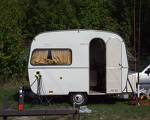
Have the "Get everybody off the roads" brigade gone mad?
Figures of £1.28 per mile have been suggested at rush hour on motorways. This is completely out of order and defies logic. People will still use their cars, the public transport system in this country will never be as good as it needs to be. The net result will be increasingly clogged A roads and empty motorways. More traffic jams and more CO2 emissions. There has to be a better way of tackling the problem.
I suggest a levy of £2 a mile for caravans and people with cloth caps driving Metros -that should fix it.
DURHAM TOLL ROAD HITS SMALL TRADERS
The first UK toll road in 100 years was introduced Durham on 1 October, 2002. Drivers are charged £2 to enter a small part of the city centre between 10am and 4pm, Monday to Saturday. The affected area runs from the entrance to the Market Place, up along the historic, narrow Saddler Street, to the Durham Cathedral peninsular. A ticket machine is linked to an automatic barrier in the carriageway, which lowers when drivers pay to leave the charging zone. The system is monitored by security cameras and drivers caught dodging the charge are liable for a fine of up to £30.
Traffic in the zone has fallen from 2,000 to 200 vehicles a day, much more than the 50% expected by planners, and there is a European feel to the old city area, with shoppers walking casually in the single-carriage roadway alongside the occasional vehicle.
According to the BBC the local council is pleased and claims that the environment has benefited, and that the roads were now safer.
"This is a model that can be used on a small scale for historic places such as Durham, or large scale for cities like London." said their spokesman.
Some small independent traders are less keen, and have complained at having to pay £2 every time they take a delivery to their shops during the charging hours. They also claim that, paradoxically, there are now less casual pedestrian visitors than when there were more cars in the zone.
Peter Jackson, chairman of the local chamber of trade, agrees that the schemes has cut down the vehicles, although he doubts the reduction is as great as the county council says. "The real problem for business is that if I want to unload from a van it costs me £2 a time. I have at least 500 deliveries a year, which means £1,000 in charges a year.
The council argues that traders are learning to alter their delivery hours and methods, and that people who live and work in the zone are also adjusting to the charges.
The City of Durham Civic Trust also supports the scheme. Its chairman Roger Cornwell said: "Pedestrians have been given a chance to reclaim the street. Having just one barrier may seem a rather low-tech solution, but it appears to be working. There is a reduction in the number of people who would drive in just to use a cash point, or to drop someone off and then come back five minutes later to pick them up."
And local resident Henry Martin Taylor said: "It is a definite improvement, with more pedestrians and less traffic. I am all for it." 21 Feb 2003
Figures of £1.28 per mile have been suggested at rush hour on motorways. This is completely out of order and defies logic. People will still use their cars, the public transport system in this country will never be as good as it needs to be. The net result will be increasingly clogged A roads and empty motorways. More traffic jams and more CO2 emissions. There has to be a better way of tackling the problem.
I suggest a levy of £2 a mile for caravans and people with cloth caps driving Metros -that should fix it.
DURHAM TOLL ROAD HITS SMALL TRADERS
The first UK toll road in 100 years was introduced Durham on 1 October, 2002. Drivers are charged £2 to enter a small part of the city centre between 10am and 4pm, Monday to Saturday. The affected area runs from the entrance to the Market Place, up along the historic, narrow Saddler Street, to the Durham Cathedral peninsular. A ticket machine is linked to an automatic barrier in the carriageway, which lowers when drivers pay to leave the charging zone. The system is monitored by security cameras and drivers caught dodging the charge are liable for a fine of up to £30.
Traffic in the zone has fallen from 2,000 to 200 vehicles a day, much more than the 50% expected by planners, and there is a European feel to the old city area, with shoppers walking casually in the single-carriage roadway alongside the occasional vehicle.
According to the BBC the local council is pleased and claims that the environment has benefited, and that the roads were now safer.
"This is a model that can be used on a small scale for historic places such as Durham, or large scale for cities like London." said their spokesman.
Some small independent traders are less keen, and have complained at having to pay £2 every time they take a delivery to their shops during the charging hours. They also claim that, paradoxically, there are now less casual pedestrian visitors than when there were more cars in the zone.
Peter Jackson, chairman of the local chamber of trade, agrees that the schemes has cut down the vehicles, although he doubts the reduction is as great as the county council says. "The real problem for business is that if I want to unload from a van it costs me £2 a time. I have at least 500 deliveries a year, which means £1,000 in charges a year.
The council argues that traders are learning to alter their delivery hours and methods, and that people who live and work in the zone are also adjusting to the charges.
The City of Durham Civic Trust also supports the scheme. Its chairman Roger Cornwell said: "Pedestrians have been given a chance to reclaim the street. Having just one barrier may seem a rather low-tech solution, but it appears to be working. There is a reduction in the number of people who would drive in just to use a cash point, or to drop someone off and then come back five minutes later to pick them up."
And local resident Henry Martin Taylor said: "It is a definite improvement, with more pedestrians and less traffic. I am all for it." 21 Feb 2003
UKIP home website

Can anybody follow the logic of this post on the UKIP website ?
If i vote but yer but no but!
TORY PPC SIGNS UP TO BETTEROFFOUTFrom BOO:"Gordon Henderson, the Conservative Party Prospective Parliamentary Candidate for Sittingbourne and Sheppey, has just become the first Conservative Party PPC to support the BETTER OFF OUT campaign (see his message below). This is very much to his credit, as we are unable to guarantee that UK Independence Party candidates will stand down against Conservative Party candidates at the next election - except in the case of those MPs who have signed up to BETTER OFF OUT.
Naturally, we will try to draw his position on British membership of the EU to the attention of the electorate in his constituency, so that voters may draw their own conclusions and vote accordingly.
It is apparent from Gordon's blog - that his support for freeing Britain from the EU runs deep, as he has written an excellent piece on there, "Time for a Referendum on Europe".Good on Gordon, but I do hope that Nigel is true to his word and that UKIP stands in this seat as Gordon is not a sitting MP, and with Labour holding a majority of just 79 and UKIP polling 926 votes last time, there is always a chance for people to abuse BOO for political opportunism.If you really want out of the EU, then you should be standing for a party that has that as a policy.And before Iain Dale starts ranting that UKIP are "helping Labour", "blocking someone who wants out of the EU" etc, remember that the Tory Party are not going to offer EU withdrawal or a referendum as part of their next manifesto and nothing is going to change that, not 10, not 20, not even 50 new anti-EU Tory MP's, so what is the point in voting for them if you passionately support EU withdrawal?If we followed Dale's logic then most Tory voters should switch to voting Labour as they offer much the same policy agenda and are clearly in the best position to deliver it.Tip: The UKIP leaflets for this seat (and others) should clearly highlight that Cameron has banned any MP who supports EU withdrawal from his front bench team, therefore showing that a vote for an EU withdrawal Tory is a wasted vote as they can never deliver their aim
Giving GPs more powers? Pulse December 15th
Your story “More power to GPs within PCTs” highlights the history of PECs to date
I spent six years on a PEC. On reflection it was largely a waste of time and money – a view shared by several other GPs who were similarly involved.
Our PEC became increasingly populated by PAMs (professions allied to medicine) , which in my view weakened it. The argument by the PCT management team being that dentists and optometrists etc were of equal importance and knowledge to GPs in managing local services. The final straw was when I sent around a spoof email suggesting clergymen be on the PEC and got two serious replies from GP colleagues.
The reality is that GPs are responsible for spending nearly all the of the PCT budget(by referral and prescription) and are in a unique position to know what is needed locally. Whatever the merits of PAMs they do not know how General Practice works and what drives and motivates referrals and prescribing.
Our PCT like many others has disengaged GPs.
Engaging them again is going to be a huge task. Most GPs are just not interested in what they view as a pointless charade.
There also needs to be a reality check over the payment for PCT work
I spent six years on a PEC. On reflection it was largely a waste of time and money – a view shared by several other GPs who were similarly involved.
Our PEC became increasingly populated by PAMs (professions allied to medicine) , which in my view weakened it. The argument by the PCT management team being that dentists and optometrists etc were of equal importance and knowledge to GPs in managing local services. The final straw was when I sent around a spoof email suggesting clergymen be on the PEC and got two serious replies from GP colleagues.
The reality is that GPs are responsible for spending nearly all the of the PCT budget(by referral and prescription) and are in a unique position to know what is needed locally. Whatever the merits of PAMs they do not know how General Practice works and what drives and motivates referrals and prescribing.
Our PCT like many others has disengaged GPs.
Engaging them again is going to be a huge task. Most GPs are just not interested in what they view as a pointless charade.
There also needs to be a reality check over the payment for PCT work
Saturday, November 18, 2006
Try this airline
Its the best carrrier in the world
http://video.google.co.uk/videoplay?docid=-63711994125288566
http://video.google.co.uk/videoplay?docid=-63711994125288566
Saturday, November 11, 2006
Choose and book- letter to GP mag
Dear Sir
Paul Searle is quite right about Choose and Book (letter 27 october). Being a progressive practice we decided to use it. It has caused considerable problems. The system is slow, when it was demonstrated you could get straight through and the whole procedure of the actual booking was done fairly quickly. In vivo , you can sit there like a lemon with the patient waiting for the system to respond. My average booking time was in excess of five minutes. We tried all methods of getting round this including asking our staff to book the patients later and telephone them. This was wasting much time and causing great problems. The final straw was an elderly patient who attended outpatients with a C and B booking but was sent away because the referral letter could not be accessed from the hospital computer. For the time being our practice has decided to reduce our commitment to choose and book which effectively means junking it for the majority.
Choose and Book is a not a bad idea but it appears that the IT system is not up to scratch. Personally I did not train as a GP to act as an appointments clerk and even an extra 2 minutes per referral is significant if you extrapolate it to all partners over a working week. Despite this some of my partners (once they have removed their anoraks) like to choose and book patients as they feel patients like it. Of course patients would like a free foot massage, coffee and flowers at the surgery but that does not mean it makes good financial sense.
Paul Searle is quite right about Choose and Book (letter 27 october). Being a progressive practice we decided to use it. It has caused considerable problems. The system is slow, when it was demonstrated you could get straight through and the whole procedure of the actual booking was done fairly quickly. In vivo , you can sit there like a lemon with the patient waiting for the system to respond. My average booking time was in excess of five minutes. We tried all methods of getting round this including asking our staff to book the patients later and telephone them. This was wasting much time and causing great problems. The final straw was an elderly patient who attended outpatients with a C and B booking but was sent away because the referral letter could not be accessed from the hospital computer. For the time being our practice has decided to reduce our commitment to choose and book which effectively means junking it for the majority.
Choose and Book is a not a bad idea but it appears that the IT system is not up to scratch. Personally I did not train as a GP to act as an appointments clerk and even an extra 2 minutes per referral is significant if you extrapolate it to all partners over a working week. Despite this some of my partners (once they have removed their anoraks) like to choose and book patients as they feel patients like it. Of course patients would like a free foot massage, coffee and flowers at the surgery but that does not mean it makes good financial sense.
Thursday, October 26, 2006
Deck Chairs on the Titanic?
Will the re-organisation of PCTS make a difference?
Our old one was frequently inept and messed things up by amateur negotiation skills, inability to make decisions and poor record keeping.
The new one consists of the old one plus another even more debt ridden PCT.
The staff of the new one are virtually the same as the previous two organisations. It is difficult to see how things are going to get better (where have I heard that before?)
The newly appointed intrim PCT CEO executive said on the telephone to me that a particular consultant "was not one of those money grabbing doctors " she went on to say that she didnt like hostility or threats- I think she might be in the wrong job
Our old one was frequently inept and messed things up by amateur negotiation skills, inability to make decisions and poor record keeping.
The new one consists of the old one plus another even more debt ridden PCT.
The staff of the new one are virtually the same as the previous two organisations. It is difficult to see how things are going to get better (where have I heard that before?)
The newly appointed intrim PCT CEO executive said on the telephone to me that a particular consultant "was not one of those money grabbing doctors " she went on to say that she didnt like hostility or threats- I think she might be in the wrong job
Sunday, October 22, 2006
Dr Disgusted - March 2006 Yorkshire Post
Dear Sir
Patricia Hewitt says it is doctors’ fault that the NHS is in financial trouble.
She says that there is “clinical resistance” to change.
Doctors pay has apparently cost more than the Government expected!
The main reason for the NHS crisis is an inept meddling Government.
Less than two years ago GPs negotiated a new contract. Two key elements were a change in our working hours and performance related pay.
The performance related pay consisted of clinical and administrative targets awarded on a points basis. The maximum achievable was 1050 points. The Government estimated GPs would achieve about 750 points on average. The average achieved was more than 900 and some achieved the maximum. This was due to hard work by doctors and their staff. This benefited patients and consequently cost the Government more, hardly GPs fault!
In regard to working hours, our commitment was reduced from 24 hours, 365 day cover to 8-6.30 Monday to Friday. We could then opt out of the remaining hours for a payment of about £7000 per annum. Most of us did this. The Government had been paying GPs very little previously for excellent out of hours cover. Now faced with market forces the cost to obtain GP cover out of hours has become realistic costing the Government more, hardly GPs fault!
In order to reach Government targets, many hospital trusts paid consultants large sums to clear waiting lists in their own time. Now with a crisis looming those same consultants have been instructed to stop seeing patients in order to balance the books on March 31. This has cost the Government more, hardly Consultants fault!.
As for clinical resistance to change, having spent many years sitting in NHS management meetings I can tell you that the resistance is largely due to the inability of NHS managers to make decisions. This is not due to the lack of able managers but to the culture of fear, poor guidance and continuous changing of direction created by central Government.
Patricia Hewitt says it is doctors’ fault that the NHS is in financial trouble.
She says that there is “clinical resistance” to change.
Doctors pay has apparently cost more than the Government expected!
The main reason for the NHS crisis is an inept meddling Government.
Less than two years ago GPs negotiated a new contract. Two key elements were a change in our working hours and performance related pay.
The performance related pay consisted of clinical and administrative targets awarded on a points basis. The maximum achievable was 1050 points. The Government estimated GPs would achieve about 750 points on average. The average achieved was more than 900 and some achieved the maximum. This was due to hard work by doctors and their staff. This benefited patients and consequently cost the Government more, hardly GPs fault!
In regard to working hours, our commitment was reduced from 24 hours, 365 day cover to 8-6.30 Monday to Friday. We could then opt out of the remaining hours for a payment of about £7000 per annum. Most of us did this. The Government had been paying GPs very little previously for excellent out of hours cover. Now faced with market forces the cost to obtain GP cover out of hours has become realistic costing the Government more, hardly GPs fault!
In order to reach Government targets, many hospital trusts paid consultants large sums to clear waiting lists in their own time. Now with a crisis looming those same consultants have been instructed to stop seeing patients in order to balance the books on March 31. This has cost the Government more, hardly Consultants fault!.
As for clinical resistance to change, having spent many years sitting in NHS management meetings I can tell you that the resistance is largely due to the inability of NHS managers to make decisions. This is not due to the lack of able managers but to the culture of fear, poor guidance and continuous changing of direction created by central Government.
Saturday, October 21, 2006
Low taxes do not necessarily mean cuts in public services
There is a great problem that politicians currently face and in particular the Conservative Party. If they say they are going to reduce taxation the public reaction is "How are you going to pay for it without cutting policemen, nurses and teachers? "The answer about cutting bureaucracy and waste does not seem to be believable. Consequently all politicians are now shy of suggesting any cuts at all.
There is much evidence that a low tax economy is a faster growing one and similarly legislation light countries have many more start up businesses. The overall tax take frequently rises with lower rates. Low income workers pay marginal rates of tax in the region of 70% so there is little incentive to work extra hours. Similarly the Government spends vast amounts collecting tax only to pay it back in tax credits. This does not seem sensible. Why not encourage people to work harder by increasing the incentive to work with rises in tax thresholds?
Another area ripe for cutting is inheritance tax. Many people of now fairly modest means are going to caught by this tax because of property values. It would be a vote winner to raise the limits. Of course any budding Chancellor will realise that although relatively small beer now inheritance tax revenue will soar in years to come.
I feel public opinion has been swayed by continual spin from this Government about tax cutting making it a no -go area at a time when the economy might benefit.
There is much evidence that a low tax economy is a faster growing one and similarly legislation light countries have many more start up businesses. The overall tax take frequently rises with lower rates. Low income workers pay marginal rates of tax in the region of 70% so there is little incentive to work extra hours. Similarly the Government spends vast amounts collecting tax only to pay it back in tax credits. This does not seem sensible. Why not encourage people to work harder by increasing the incentive to work with rises in tax thresholds?
Another area ripe for cutting is inheritance tax. Many people of now fairly modest means are going to caught by this tax because of property values. It would be a vote winner to raise the limits. Of course any budding Chancellor will realise that although relatively small beer now inheritance tax revenue will soar in years to come.
I feel public opinion has been swayed by continual spin from this Government about tax cutting making it a no -go area at a time when the economy might benefit.
Thursday, October 12, 2006
Is the NHS safe in politicians hands - GP magazine
IS THE NHS SAFE IN POLITICIAN’S HANDS?
BY DR PAUL CHARLSON
A taxation funded NHS is always going to be a political issue.
Taxpayers expect the Government to spend their money wisely. It is not surprising that politicians feel the need to prove that this is happening. Has the culture of British politics changed? Has the rise of political spin created a problem that did not previously exist? I would argue that it has.
The Government learned through focus groups that waiting times were a big public concern. Rightly it chose to tackle this issue.
Parliamentary announcements were made that by a certain date waiting lists would fall to a certain length. The Department of Health was directed to make this happen. The Chief Executives of the Strategic Health Authorities were given an ultimatum to make sure waiting time targets were met. If they did not there would be “consequences” . With such pressure to succeed each Strategic Health Authority CEO spoke to each PCT CEO. They were given an ultimatum make sure waiting time targets were met or there would be “consequences” . PCTs had to succeed in reaching the waiting time targets. Managers were recruited and many meetings took place. It soon became clear that the task would not be easy. Doctors were recruited to work at disproportionately higher costs to clear waiting lists. Patients were shipped to distant hospitals to have operations at higher cost. Centres were set up quickly despite disquiet from local clinicians about standards to clear the backlog. Money was diverted from other medical fields to those, which had targets. Toenails were removed rather than major operations because they were quicker to do and reduced waiting lists more effectively. In some places managers drove round to patients houses to hand deliver letters of appointment in order to get the patients in before the March 31st deadline. Despite all efforts some targets were too ambitious. Managers rather than face the wrath of more senior managers resorted to a variety of tactics, which were later revealed in the national press as effectively “fiddling” the figures.
The result of this was that too many PCTs could tick the box “Target achieved”. This pleased the SHAs who could then tick their boxes , which in turn pleased the Department of Health because they could tell Ministers that the targets had been achieved. They could announce in Parliament to a grateful public that waiting lists had fallen and the money had been well spent. Of course Doctors and their patients saw evidence that things were not as they appeared.. George Orwell could not have come up with anything better.
Of course some patients have benefited but has this been the most effective way of managing scarce NHS resources?. Some years later despite record resources being poured into the NHS Primary Care and Hospital Trusts are heading for large deficits. We are already seeing the effects of this in the cuts to training budgets, front line staff and clinical activity. It is going to get worse. After 2008 there will be a drastic percentage term reduction in new money being given to public services including the NHS. Reform an independent think tank has calculated by 2010 there will be an £18 billion deficit in the budget.
The taxpayer, has been encouraged by political spin to believe that our Health Care system is the best in the world. Yet mortality figures for many major diseases rank us with countries such as Turkey rather than the USA and France. Despite this we seem wedded to our system and therein lays a problem. Any politician mentioning private enterprise and limitation of the NHS treatment has been shot down as some form of heathen. NICE has been overturned by public pressure applied to politicians. Yet we badly need to debate issues around the extent of a public funded NHS.
Despite the protestations of the health unions including the BMA, politicians have woken up to the idea that competition amongst providers will bring savings. The public don’t care where they get treated as long as it’s good and fairly local. Yet all main political parties cling to the idea of a public NHS as to argue against this would be political suicide.
David Cameron, the Conservative leader proposed only this week that whilst the NHS would remain public under his leadership an independent body would be set up to run the NHS. He also said that clinicians should be at the heart of decision-making. Andrew Lansley his Health Secretary even went as far as saying that he was happy that GPs earned on average £109K a year because they would earn it as the best placed senior NHS figures to run the service.
Gordon Brown has also spoken of an independent NHS body and The Prime Minister has long been a champion of private enterprise working within the public sector.
It is clear that politicians realise that they cannot go on trying to manage the NHS from Whitehall.
The hope is that with better clinical engagement, less central management and reduction in waste that the figures will add up. There is a strong possibility that sooner or later there will not be enough in the pot. The question then is whether to raise taxes even further, reduce the scope of the NHS by narrowing its provsion or seek additional funding from individuals as they use the service. This might require the introduction of medical insurance on a large scale. All of these options will be politically unpopular and only a radical shift in public opinion is likely to save a Government who introduces such measures.It will take a clever Prime Minister to shift public opinion faster than it will go naturally. It is the public who have tied the hands of politicians.
Perhaps the question should be “Is the NHS safe in the public’s hands?"
Thursday, October 05, 2006
Prescription system is a mess and wasteful
Less then 20% of people pay for prescriptions. A proportion of those that have to pay cannot afford £6.65 per item consequently they do not get essential medication?
Patients with hypothyroid disease get not just their Thyroxine free but all prescriptions yet asthmatics and hypertensives who often require far more medication have to pay for all their prescriptions?
There is massive over ordering and waste of medications because most be people dont pay. Consequently they often order "just in case" and never use the medication.
Surely a £1 charge for every medication for everyone would be a better system - simple and waste reducing. Some compensation through taxation could be used to protect the chronically ill and the poorest members of society.
Read my article on www.2020health.org and post please
Patients with hypothyroid disease get not just their Thyroxine free but all prescriptions yet asthmatics and hypertensives who often require far more medication have to pay for all their prescriptions?
There is massive over ordering and waste of medications because most be people dont pay. Consequently they often order "just in case" and never use the medication.
Surely a £1 charge for every medication for everyone would be a better system - simple and waste reducing. Some compensation through taxation could be used to protect the chronically ill and the poorest members of society.
Read my article on www.2020health.org and post please
Subscribe to:
Posts (Atom)